Occupancy Certificate vs Completion Certificate: What It Means for Your Sobha One World Handover

Featured Image of Occupancy Certificate vs Completion Certificate: What It Means for Your Sobha One World Handover


A Completion Certificate is proof of legal building work. It shows your building follows approved plans. It also shows that it follows all building codes. But you cannot move in with just this. You must wait for another paper too. This is the Occupancy Certificate.

The city office gives this after final checks. It confirms your building has working water. It also confirms working power and sewage systems. This paper gives you the legal right to move in.

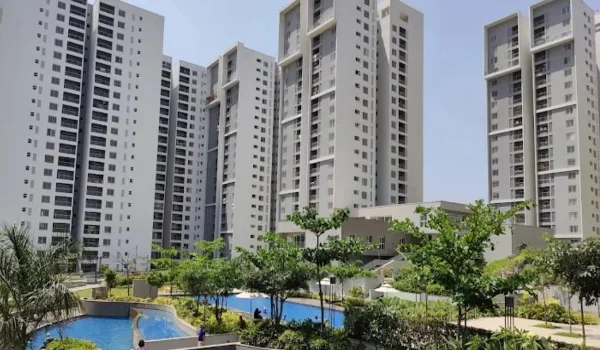
Buying a home reaches its peak at handover time. For Sobha One World buyers, this is a big moment. It marks the shift from building work to actual living. This premium 48-acre township sits near Hoskote Toll Plaza. It sits on Old Madras Road in Greater Whitefield.

The project has 14 tower wings. These towers rise to 46 floors. It offers a safe path for property buyers.

As you near your final purchase step, two papers matter most. These are the Completion Certificate and Occupancy Certificate. Knowing these papers helps you move in smoothly.


What is a Completion Certificate?


Local planning offices issue this certificate. It shows the building follows approved plans. This certificate confirms that the builder followed all codes. It also confirms they met safety rules. Layout rules are checked here, too.

Key Aspects of a Completion Certificate

  • Structural Verification: Local engineers visit the site to check work. They look at all the concrete towers there. They confirm the building matches its blueprint.
  • Bylaw Compliance: This certificate confirms proper setbacks were used. It also confirms the correct built-up area. FSI limits are checked here as well.
  • Phase-Wise Issuance: Sobha One World has 3,484 units in total. These span across 6 different phases. Big projects get certificates in stages like this. Each tower gets its own certificate once done.
  • Legal Standing: This paper proves legal construction only. It doesn't mean the building is ready for living. You cannot move in using only this paper.

What is an Occupancy Certificate?


This is the most important paper for buyers. You need this before taking home possession. The city office issues it after final checks. This paper confirms the building is safe.

Key Aspects of an Occupancy Certificate

  • Habitation Approval: This proves the building has working systems. This includes sewage lines and storm drains. Electrical connections are checked here, too.
  • Safety Clearances: Officials check fire safety before issuing this. They confirm a valid fire department clearance. This ensures working fire lifts and hydrants. Emergency exits are checked here, too.
  • Utility Activation: Utility boards need this for power meters. Water connections also need this paper first.
  • Legal Move-In: This paper gives you the legal right to move in. Moving in without it breaks local law. It can lead to eviction from your home.

Key Differences Between the Two Certificates


Here's a simple table showing both documents:

Feature and Scope Completion Certificate (CC) Occupancy Certificate (OC)
Primary Purpose Shows construction matches approved plans Shows the building is safe to live in
Issuing Authority Local planning department City corporation and health authorities
Utility Impact No permanent utility connections Needed for power and water meter connections
Possession Right Shows legal construction only Gives full right to occupy the unit
Application Timing Applied right after construction ends Applied after all safety checks are completed

Why These Certificates Matter for Your Handover


Getting both papers protects your investment fully. It also gives you real peace of mind. For Sobha One World buyers, these mark project completion.


First, you need the Occupancy Certificate for your Sale Deed. Land offices need this before updating ownership records.

Second, banks also need a copy of this paper. They won't give the final loan payment without it. If you apply for a top-up loan later, banks will reject it without this document.

Finally, these papers protect you from fines later on. They also protect you from other penalties. Your building gets the A Khata tax status with this. This helps form your Resident Welfare Association, too.

FAQs


1. Can a developer force a buyer to take possession of a house without an OC?

No developer can do that. They have to get this paper. The Occupancy Certificate is necessary before they can ask buyers for payments.

2. Do projects like large townships need a separate OC for each tower or wing?

Yes, that is correct. Big projects usually get Occupancy Certificates in parts. This way, buyers can move into the towers that are finished.

3. What if I move into my apartment and it only has a CC, not an OC?

That is not an idea. According to the rules, living in a house without an Occupancy Certificate is illegal. The officials can stop your water and electricity supply. You might also have to pay fines for this.

4. How can I find out if my apartment phase has all the clearances and OC?

You can check the Karnataka RERA website for this information. Just use your project number to search on the website. You will see all the documents that have been uploaded. You can also see progress reports on the page, about your Occupancy Certificate and other things.

Sobha One World Blog


Enquiry
Enquire Now