Old Madras Road is Urban or Rural
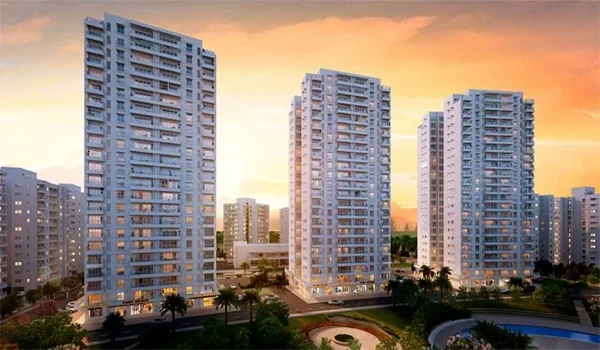
Featured Image of Old Madras Road is Urban or Rural


Old Madras Road is a fast-changing city and outer-ring road. It mixes busy city spots near its center with fast-growing outer home and factory towns on its far edges. Understanding this road takes a look at how its sections shift from city shop zones into new tech-driven suburbs in 2026.


Urban Core versus Outer Suburban Expansion


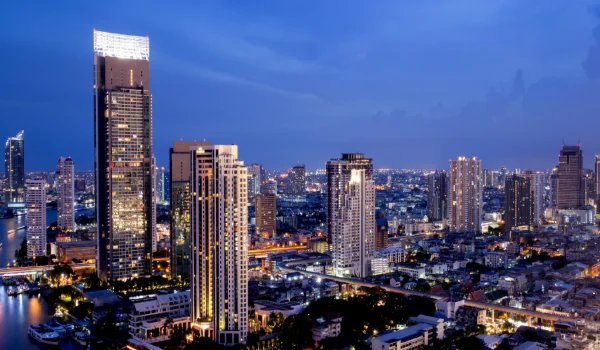
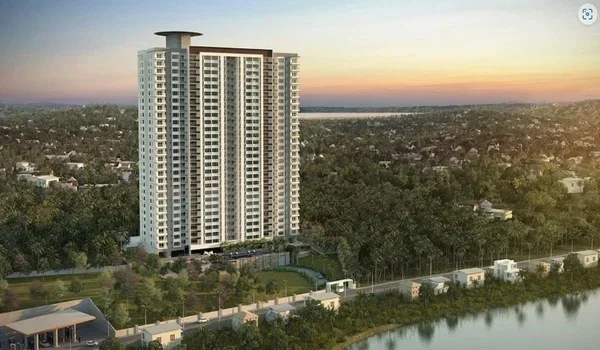
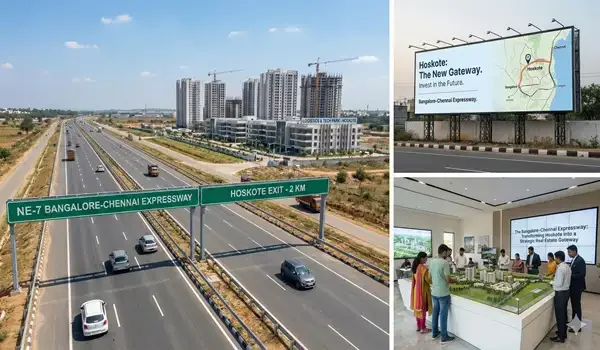
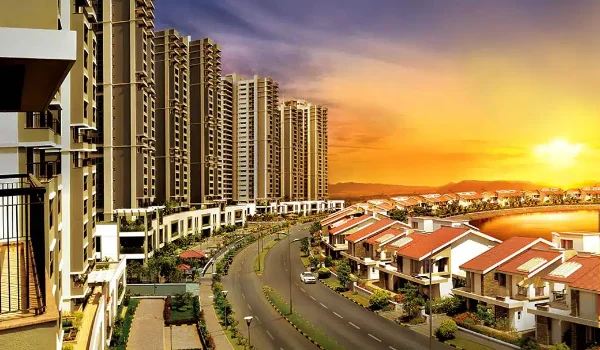
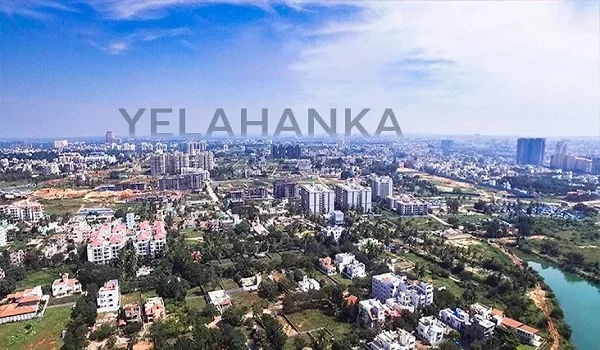
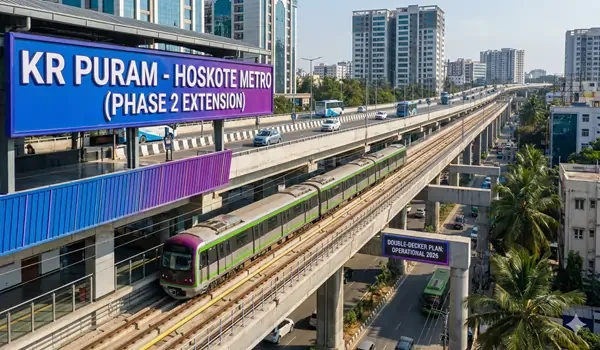
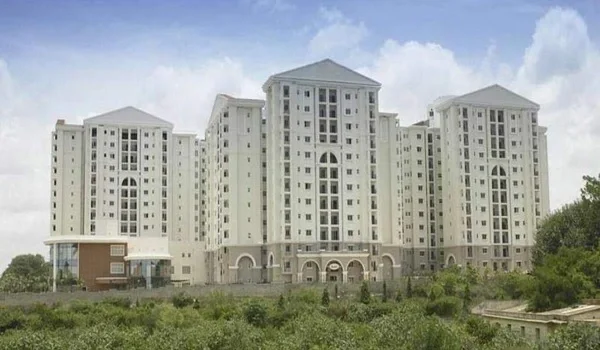
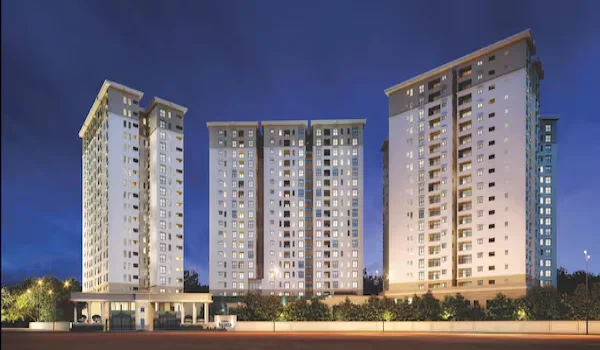
The inner parts of Old Madras Road running through Ulsoor, Indiranagar, and KR Puram are full city areas. They hold lot of shop complexes, set housing blocks, and full metro train links. Moving further out past Budigere Cross toward Hoskote, the land shifts into a suburban zone marked by large land plots, mapped layouts, as well as new high-rise builds.
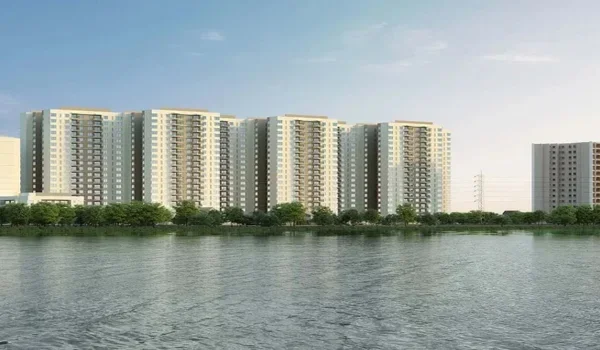
As city borders expand and road projects like the Satellite Town Ring Road (STRR) take shape, these outer spots are shedding their semi-rural feel. They are turning into organized, self-fed suburban hubs built to help the Bengaluru's growing workforce.

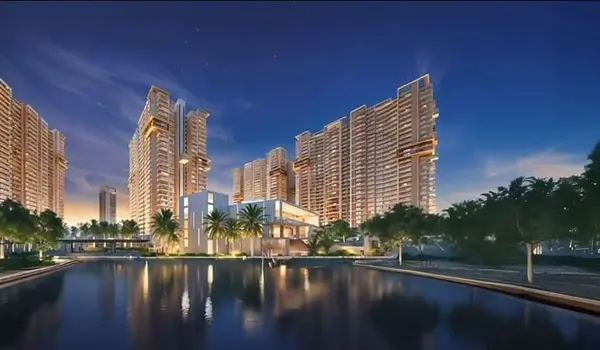
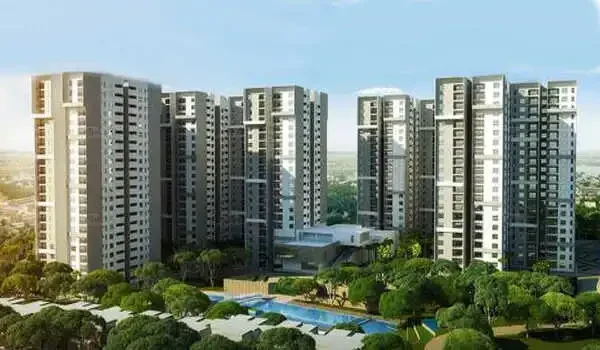
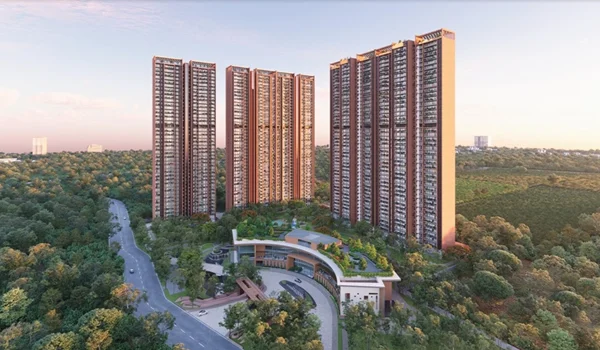
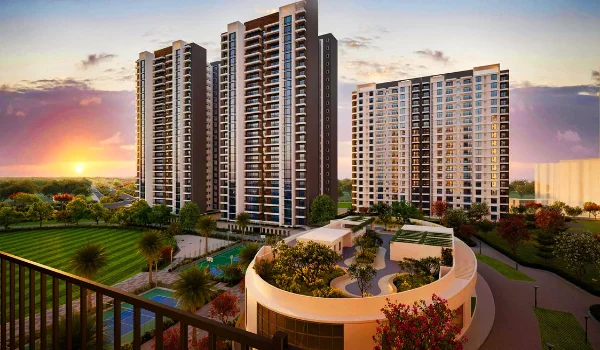
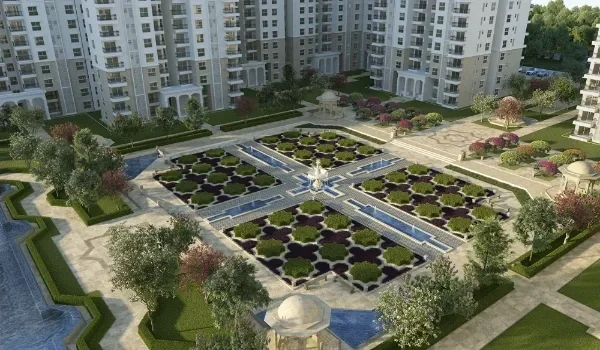
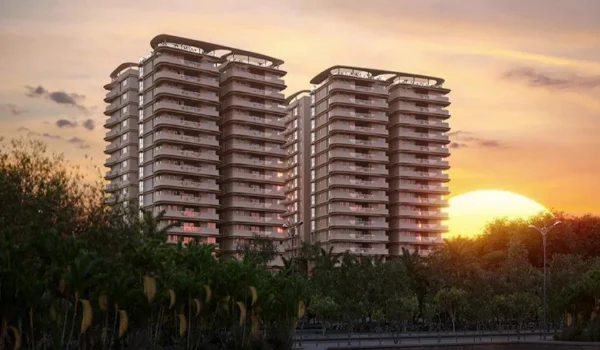
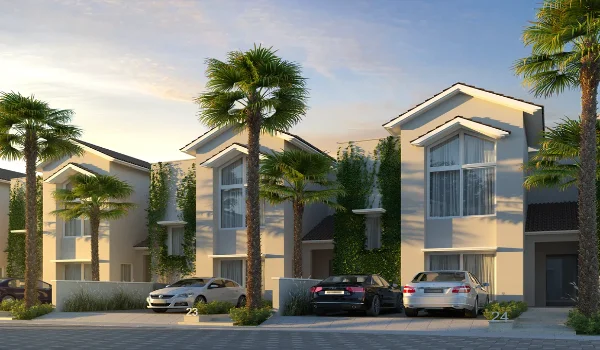
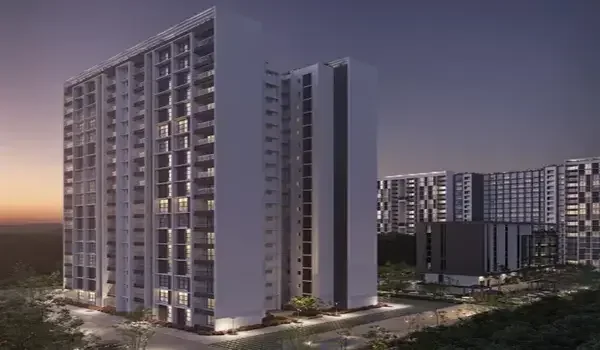
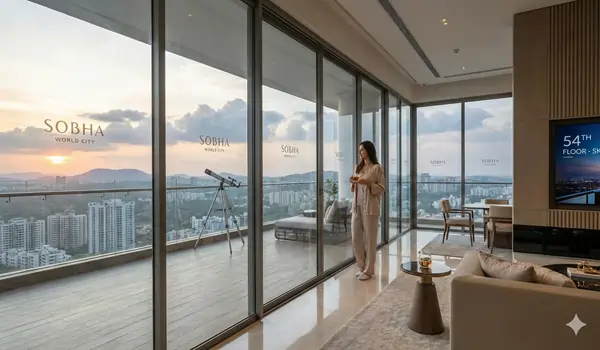
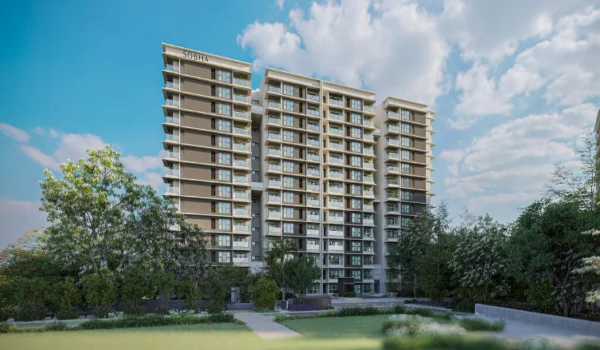
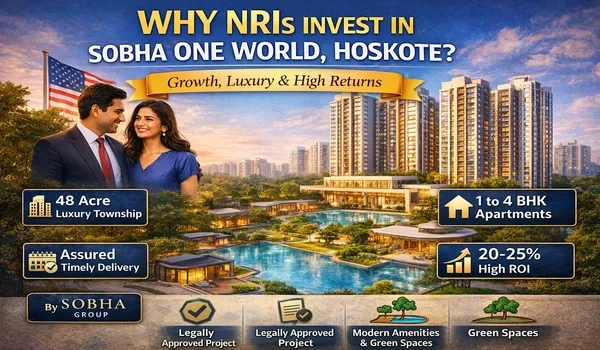
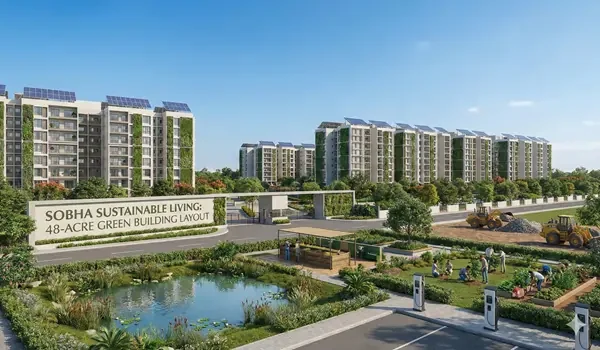
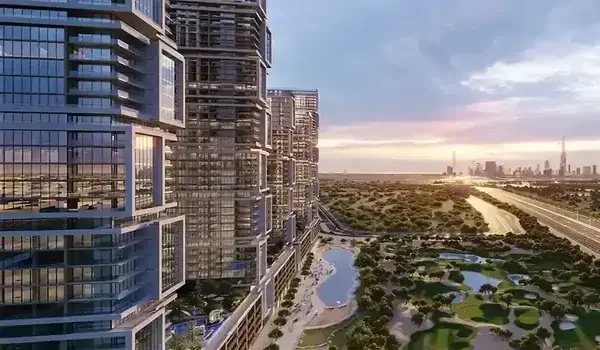
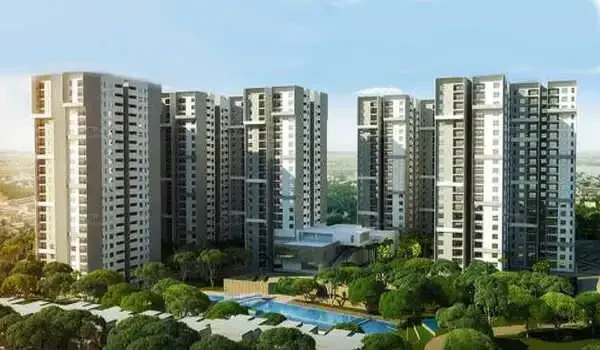
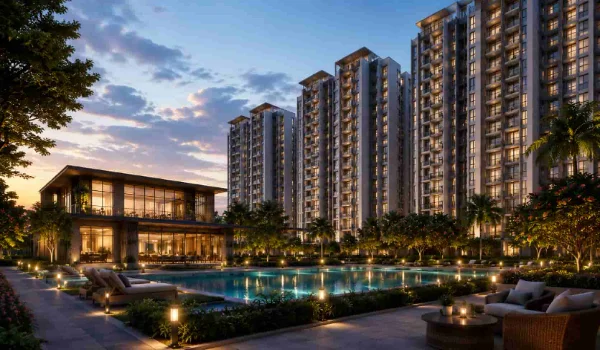
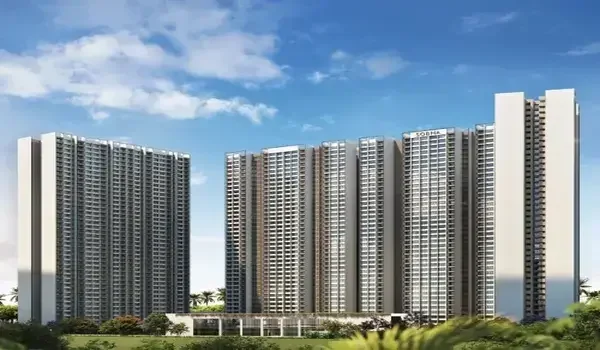
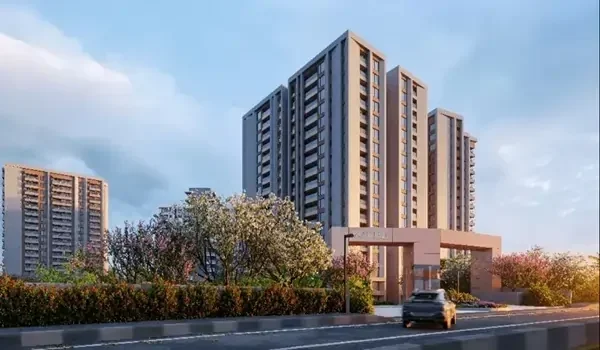
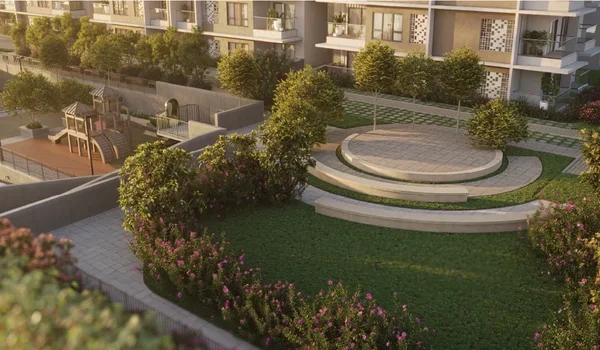
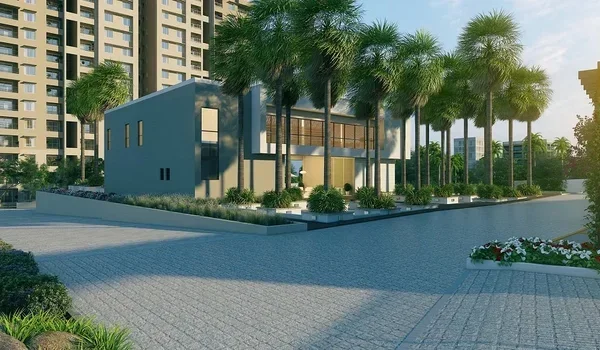
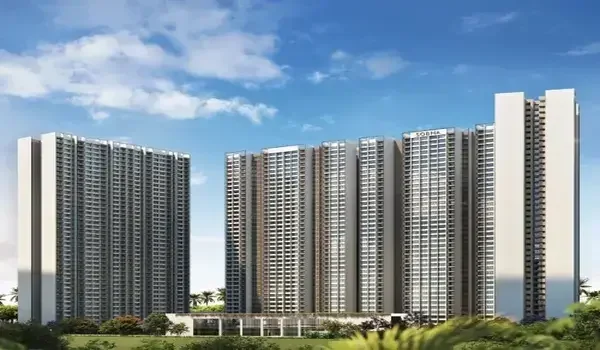
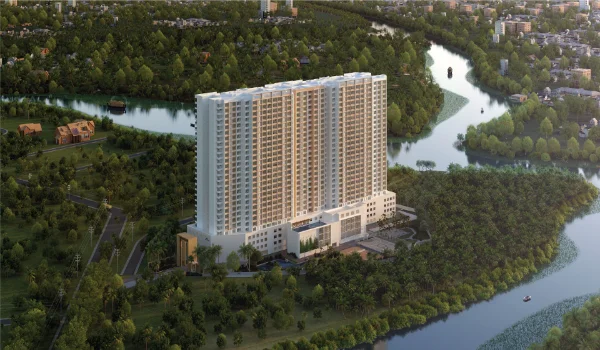
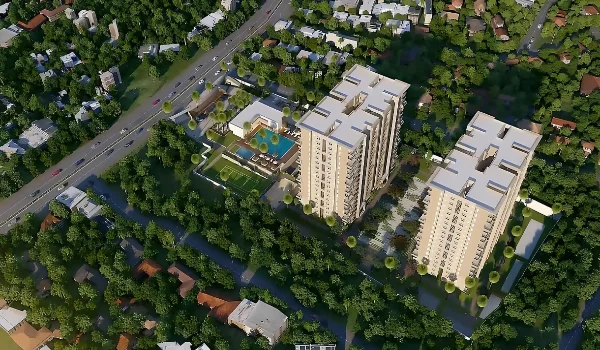
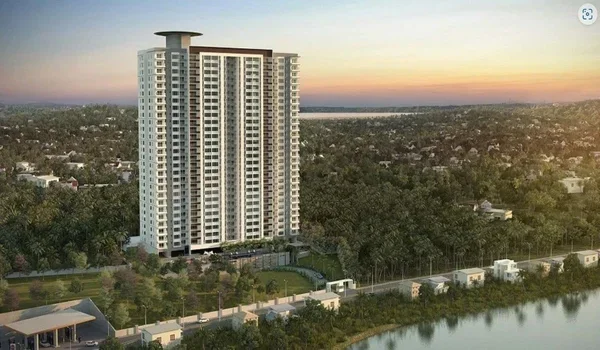
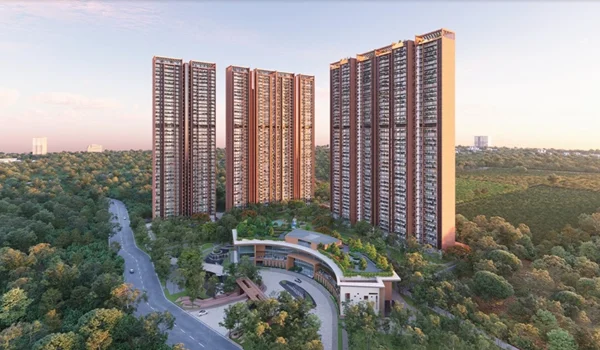
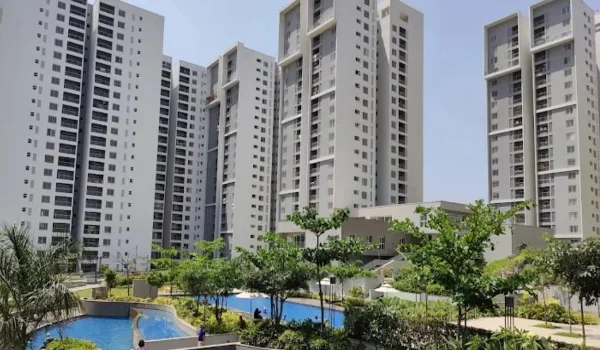
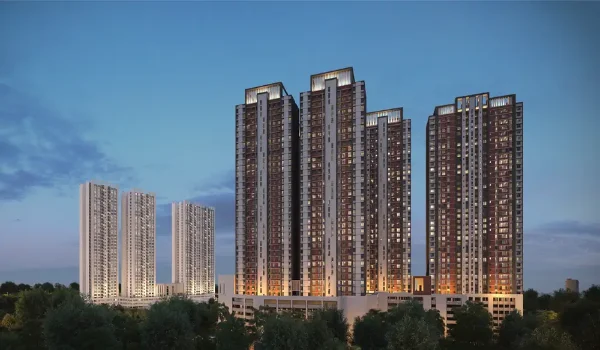
  • Buyer & Resident Insight: Picking homes in the outer suburban stretches—like buying in the large Sobha One World site in Hoskote—lets buyers escape crowded city smoke while enjoying new modern luxuries, big open green spaces, and planned community setups.
  • Core Advantages: Good access to large land plots, lower starting land costs compared to the crowded central spots, as well as an area rich with open green trees.
  • Key Challenges: Some outer pockets still face slow city utility updates, needing gated home setups to manage water and power needs.

Economic Drivers and Real Estate Transformation


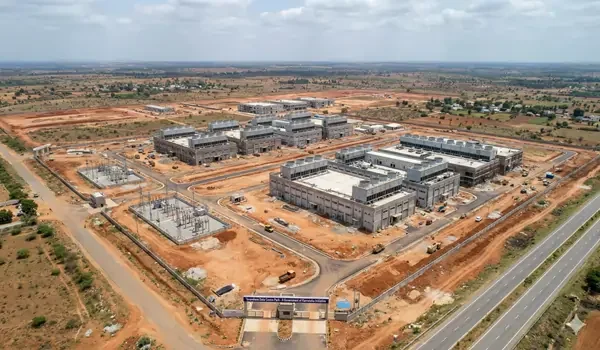
The business side of Old Madras Road is mostly city-focused. It is driven by steady tech moves, store expansion, and also close connects to east tech parks like Whitefield. While spots near far rural borders once relied on farming or small local shops, the arrival of global tech parks as well as storage hubs has fully reshaped the local market.

City planners see this road as a key growth engine for Bengaluru. Joining multi-lane roads, new metro lines, and retail malls ensures the full stretch works as part of the city market rather than a rural back land.

  • Investment Perspective: Real estate buyers like changing outer-city roads because they give the highest home value gains. Sites placed right on the edge of this city shift gain a lot as local groups upgrade land laws and approve high-density homes.
  • Core Advantages: High long-term price growth, rising rent demand from tech workers, as well as strong shop growth prospects.
  • Key Challenges: Fast shop growth can bring quick traffic jams and short-term stress on local city utilities.

Frequently Asked Questions


1. Is Old Madras Road considered an urban or a rural area?

Old Madras Road is mostly classed as an urban and suburban road. It holds set city parts near its core and changing suburban towns on its outer edges.

2. How does the character of Old Madras Road change from the center to the outskirts?

The inner paths near Ulsoor and Indiranagar are packed city shop zones. The outer parts near Hoskote work as new suburban home and factory hubs.

3. Are basic civic utilities available throughout the outer stretches of the corridor?

Yes. While city water and drain lines are expanding, set high-rise builds and modern housing sites use self-contained utility setups.

4. Why are real estate buyers targeting the suburban edges of Old Madras Road?

Buyers pick outer spots like Hoskote for their lower home prices, great green spaces, and high growth potential led by ring roads as well as sites like Sobha One World.

5. How is upcoming infrastructure impacting the classification of these peripheral zones?

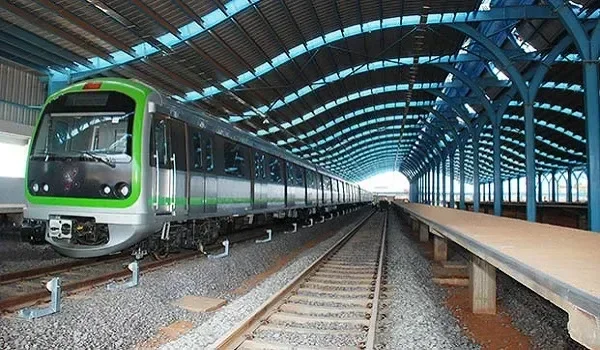
Key transit projects such as the Satellite Town Ring Road (STRR) and extended metro lines are fast-tracking the city shift of the older semi-rural spots along the highway.

Sobha One World Blog


Enquiry
Enquire Now