Stamp Duty & Registration Charges in Bangalore: A Sobha One World Buyer's Guide
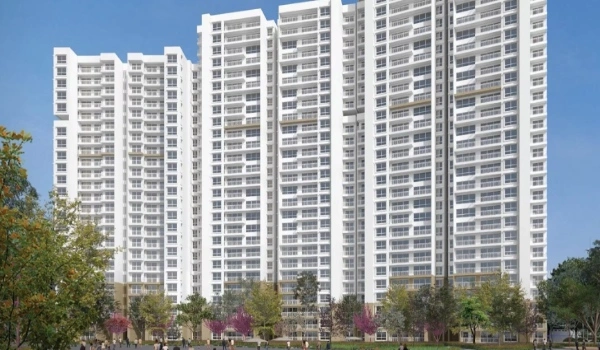
Featured Image of Stamp Duty & Registration Charges in Bangalore: A Sobha One World Buyer's Guide


Stamp duty in Bangalore 2026 ranges from 2% to 5% based on property value. The registration charge is a flat 1% for all buyers. Homebuyers can use the Kaveri Online Services portal to check exact costs. This helps them pay stamp duty and registration fees easily.


What is Stamp Duty?


Stamp duty is a tax that is charged by the state government on property transfer documents. It comes under the Karnataka Stamp Act, 1957. Paying this duty makes your property document legally valid. Once paid, the document can be used as proof in court. This helps during any future ownership disputes.

How to Calculate the Stamp Duty and the Registration Charges in Bangalore


Working out your total cost follows a few simple steps:

  • Identify the Base Value: Compare the market value you agreed to pay against the government guidance value for that area. Check this on the Kaveri 2.0 portal. The law says you must use whichever value is higher.
  • Apply the Base Stamp Duty Rate: Multiply this higher value by the applicable rate. This rate can be 2%, 3%, or 5%.
  • Add Local Surcharges and Cess: For properties inside BBMP limits, add an infrastructure cess. This equals 10% of your stamp duty amount. You must also add an urban surcharge of 2% of the stamp duty.
  • Add the Registration Fee: This is calculated as a fixed percentage of your total property value.
  • Factors Influencing Stamp Duty Rates in Bangalore
  • A few things affect the final rate you pay:
  • Total Market Valuation: Higher-priced properties fall into higher tax brackets under this slab system.
  • Jurisdictional Location: Properties inside BBMP or BMRDA limits pay urban surcharges. Rural properties pay a higher 3% rural surcharge instead.
  • Property Utilization Type: Commercial buildings, industrial plots, and homes all have different rate structures.

Stamp Duty Rates in Bangalore 2026


The base stamp duty rates stay the same for all buyers this year:

  • Properties valued below ₹20 Lakhs pay 2% of the property value.
  • Properties valued between ₹20 Lakhs and ₹45 Lakhs pay 3%.
  • Properties valued above ₹45 Lakhs pay 5% of the value.

What is the meaning of Registration Charge?


Stamp duty is a tax on your transfer deed. The registration charge is a fee to record your ownership officially. This fee lets the Sub-Registrar enter your name in government records. It also helps generate your property's Khata certificate later.

Process of Registering a unit or property After Paying Stamp Duty

Once you clear your dues, registration follows these steps:

  • Drafting the Deed: A legal expert or document writer prepares your final Sale Deed. This includes all transaction details and payment terms.
  • Uploading Documents: Upload the Sale Deed along with other papers. This includes the RERA certificate, E-Khata, building approvals, and PAN cards of both parties. Upload these to the Kaveri 2.0 portal.
  • Booking the Slot: Once you’re uploads and payment are verified, book a time slot. This is at your local Sub-Registrar's office.
  • Physical Execution: On the chosen day, the buyer, seller, and two witnesses visit in person. You'll complete thumbprint scanning and photography there. You'll also sign the official registry books.

Modes of Payment and Timing for Stamp Duty


You must clear all dues before signing the transaction document. Under the new Karnataka digital e-stamp rules, this entire process now runs online.

Buyers log into the Kaveri 2.0 portal to generate an e-stamp challan. You can pay this through net banking, UPI, or NEFT/RTGS. Once paid, you get a digital e-stamp certificate. This gets added to your Sale Deed's front page.

Cost Breakdown for Premium Apartments


Since premium apartments often cross ₹45 Lakhs, they fall in the top tax bracket. Here's the full cost breakdown for such a property:

  • Base Stamp Duty: 5.0% of the higher value.
  • Infrastructure Cess: 0.5%, which is 10% of the base duty.

  • Urban Surcharge: 0.1%, which is 2% of the base duty.
  • Registration Charge: 1.0% of the total property value.
  • Total All-In Cost: 6.6% of the property value.

Exemptions and Concessions in 2026


Karnataka is giving some relief for family property transfers. For example Karnataka is giving relief for gift deeds to close relatives like a spouse, child or parent. These gift deeds are exempt from rates in Karnataka.

Instead they pay a fixed fee between ₹1,000 and ₹5,000 in Karnataka. This depends on the limits involved in Karnataka. Affordable homes under ₹20 Lakhs also get concessions in Karnataka. Industrial land under MSME policies gets relief too in Karnataka.

Key Considerations Before Paying Stamp Duty

  • Verify the Guidance Value: Always check the guidance value on the Kaveri portal for Karnataka. Using rates can flag your application for under-valuation in Karnataka.
  • Deduct Tax Benefits You can claim tax deductions on stamp duty and registration fees in Karnataka. This falls under the Income Tax Act, capped at ₹1.5 Lakhs in Karnataka.
  • Keep Buffer Funds Ready: These fees can't be added to your home loan amount in Karnataka. You must arrange this money separately as your contribution in Karnataka.

Penalties for non-compliance


Not paying stamp duty on time has consequences in Karnataka. The Stamps Department in Karnataka can charge a 2 percent penalty on unpaid dues. This penalty can add up to 200 percent of the amount you owe in Karnataka.

If you do not register a Sale Deed it is worthless in disputes in Karnataka. An unregistered Sale Deed also cannot prove ownership when you try to resell the property, in Karnataka.

Impact of Stamp Duty on Property Prices


These fees add an upfront cost to your total budget in Karnataka. For a ₹1.5 Crore apartment in Karnataka the 6.6% cost adds around ₹9.9 Lakhs in Karnataka. Experts advise buyers to plan for this cost in Karnataka. This helps avoid cash problems near the project's handover time in Karnataka.

Understanding stamp duty and registration rules protects your property investment in Karnataka. Using the Kaveri 2.0 portal makes this process much easier in Karnataka. Knowing the costs for properties above ₹45 Lakhs helps you plan better in Karnataka. This ensures a fully compliant home-buying journey in Karnataka.

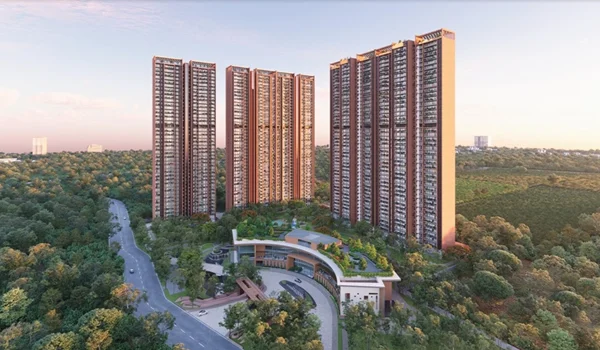
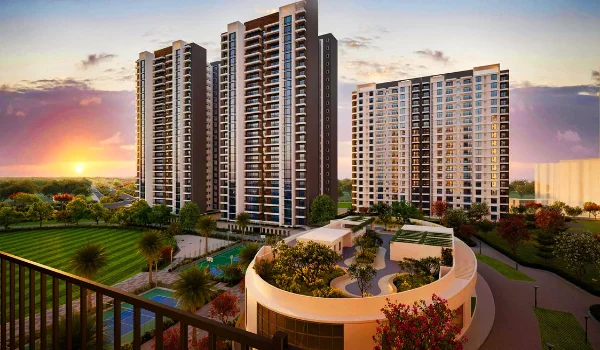
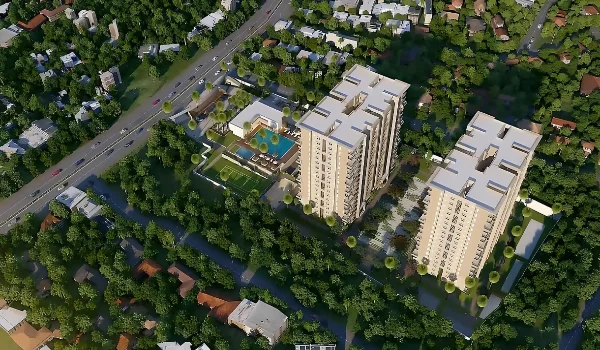
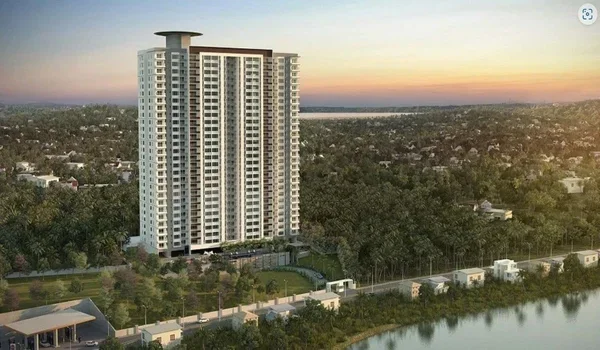
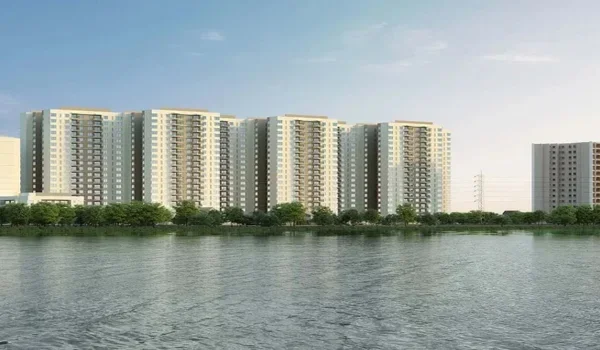
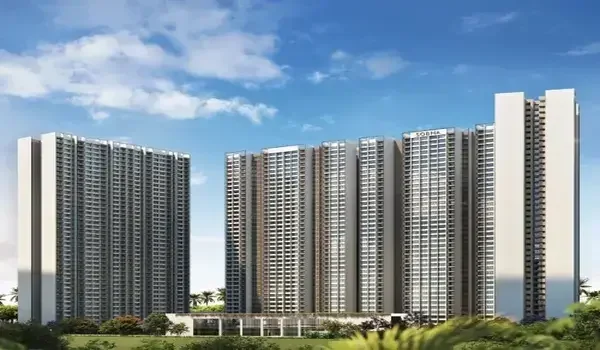
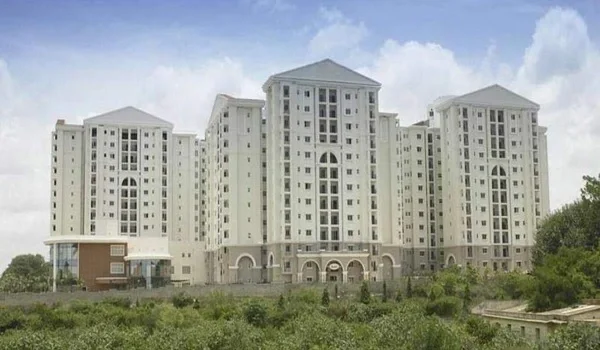
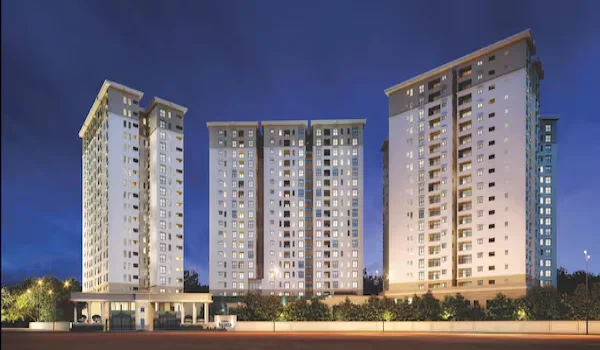
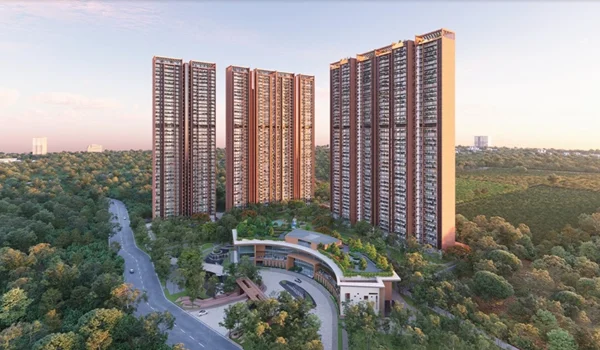
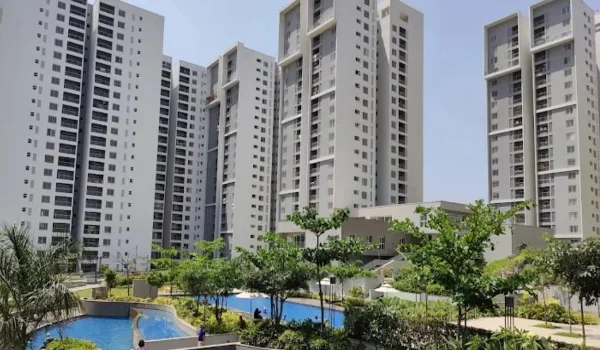
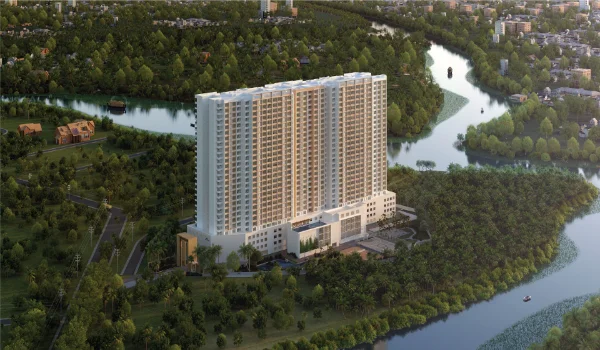
Sobha Limited Prelaunch Project is Sobha One World.

FAQs


1. What is the recent stamp duty rate for premium apartments in Bangalore?

Properties above ₹45 Lakhs in Bangalore pay a base rate of 5% in Bangalore. With cess and surcharge added in Bangalore the effective rate becomes 5.6% in Bangalore.

2. Can I pay my registration charges using a credit card?

No, the Kaveri portal doesn't support credit card payments in Karnataka. You must use banking, UPI or NEFT/RTGS instead in Karnataka.

3. What is the total cost for a property ₹1 Crore in Bangalore?

The base stamp duty is ₹5,00,000 in Bangalore. Cess and surcharge add ₹30,000 more in Bangalore. The registration fee is ₹1,00,000 in Bangalore. This brings your cost to about ₹6,30,000 in Bangalore.

4. Is there a stamp duty concession for women buyers in Karnataka?

No Karnataka doesn't offer gender-based discounts on these fees in Karnataka. Standard rates apply equally to all buyers in Karnataka.

5. How do I find the guidance value for my apartment block?

Log in to the Kaveri 2.0 portal. Enter your district, taluk, zone and village details in Karnataka.

6. Can a bank home loan cover stamp duty and registration costs?

No, most banks exclude these charges from your loan amount in Karnataka. You must pay these upfront in Karnataka.

7. What happens if my property's market value is lower than the guidance value?

The Sub-Registrar will still calculate fees using the guidance value in Karnataka, not your market price in Karnataka.

8. Within how many days must the Sale Deed be registered?

Under the Registration Act in Karnataka, you must register your deed within four months of signing it in Karnataka.

9. What documents are needed to book a registration appointment?

You'll need your Sale Deed, RERA certificate, E-Khata, tax receipts and PAN and Aadhaar cards of both parties, in Karnataka.

10. Can I register my property remotely without being present?

Yes, you can use a valid Power of Attorney for a trusted representative to complete this for you in Karnataka.

Sobha One World Blog


Enquiry
Enquire Now