What Is Property Mutation? Why It Matters After Buying at Sobha One World

Featured Image of What Is Property Mutation? Why It Matters After Buying at Sobha One World


Property mutation is the process of updating the owner's name in government and municipal property records after a property is sold. If you buy an apartment at Sobha One World, this process changes the property records from the developer's name to your name. It is an important legal step after registration. Property mutation does not replace your registered sale deed, which is the main proof of ownership. Instead, it updates the official government records so that property tax bills and other municipal records are issued in your name. Completing property mutation helps keep your ownership records accurate, avoids future legal or tax-related problems, and makes it easier to sell, transfer, or manage your property in the future.


Understanding Property Mutation in Simple Terms


Property mutation updates the owner's name in the local land and government records. It lets the government know who the new owner of the property is. This helps ensure that property tax and other municipal charges are issued to the correct person.

Your sale deed proves you bought the flat. But the mutation paper proves you are the official taxpayer in government files. That is why you need both records to secure your modern home completely.

Local offices call this step Dakhil Kharij or Namantaran in many states. It puts your name on the local municipal map. This stops old owners from trying to sell your asset to someone else by mistake.

Why Registration Alone Is Not Enough for Your Home


Many buyers think everything is complete after signing the registration papers. But that is not correct. Registration only transfers the property ownership from the seller to the buyer. The property mutation process is also needed to update the government records with the buyer’s name.

The local municipal corporation does not look at registration papers automatically. They will keep sending tax bills to the builder until you file for a mutation. That is why your name will not show up on tax portals without this final update.

You cannot rely only on your sale deed to manage your yearly property tax bills. The city records should also have your correct name and details. Property mutation connects your home ownership with your municipal tax account and ensures that all government records are updated properly.

About the Project: Sobha One World Hoskote


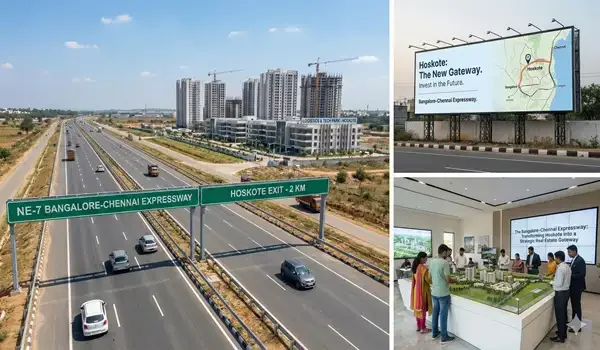
This premium township sits in Hoskote in East Bangalore. Sobha Limited has a 30-year track record and has built over 500 projects across India. They are famous for high building quality and on-time handovers.

  • RERA Number: PRM/KA/RERA/1250/304/PR/080526/008634 to 008639
  • Launch Date: June 13, 2026
  • Possession Date: December 31, 2032

The project offers excellent premium features for families. You can enjoy the vast green amenities inside this modern 300-acre development:

  • A 75,000 sq ft grand clubhouse
  • Swimming pools and sports courts
  • Jogging tracks and green parks
  • Retail stores and dining spaces

Top Reasons You Need Mutation After Buying at Sobha One World


The government uses mutation data to fix your annual water and electricity charges. If you skip this step, your power bills might stay under the developer's name for years.

This causes major problems if you want to apply for a top-up loan later. Banks check local revenue books before they approve any funds for you. They will reject your files if the tax records show the wrong name.

Clean records also make it easy to sell your flat in the future. New buyers will check public land records to see if your name matches the deed. They will walk away from the deal if your papers are not up to date.


Critical Documents You Must Collect for the Process


You must gather your physical papers before you go to the municipal office. Make sure there are no spelling mistakes on your personal ID cards.

You will need a clear copy of your registered sale deed. You also need a No Objection Certificate from the society or the builder. Keep your latest property tax receipts ready as well.

An official affidavit on stamp paper is also mandatory. You must attach copies of your Aadhaar card and your PAN card. Bring 3 recent passport-sized photos to paste on the main form.

Step-by-Step Guide to Mutate Your Flat


First, make 2 complete sets of all your land and identity documents. Then log onto the state revenue portal or visit the local municipal counter.

Fill out the official mutation form with your correct flat number and contact details. You must pay a small processing fee, which is usually between ₹100 and ₹500.

A local revenue officer will review your sale deed details against their master files. They might visit the site to check your flat physically. They will issue your final certificate within 15 to 30 days if everything looks good.

Real Buyer Concerns and How to Avoid Penalties


A major concern for buyers is the sudden accumulation of old tax penalties. If you delay your application, the city can charge you interest on unpaid bills.

Sometimes the builder pays the main property tax, but some small dues may still be pending. Before applying for mutation, check that all payments are cleared by the builder.

Another common problem is incorrect names on the final certificate. Always check your name carefully while filling out the online form. Even a small spelling mistake can take a long time to fix in government records.

The Long-Term Benefits of Your Investment


Completing this process gives you complete peace of mind as a homeowner. It secures your hard-earned money and protects your family from future legal claims.

You can use the certificate to get quick approvals for home renovations or modifications. It also acts as vital supporting proof if there is ever a local boundary dispute.

It makes the process very simple for your kids if they inherit the flat later. Clear government records prevent long family arguments over property shares. That is why smart buyers finish this task within 30 days of their registration.

FAQs


1. What happens if I do not mutate my property?

If you do not complete the mutation process, property tax bills may continue to come in the builder's name instead of yours.

2. Is property mutation a legal proof of ownership?

No, the registered sale deed is your main proof of ownership in court. A mutation is just an administrative record for local tax collection.

3. How much time does the mutation process take?

The local authority usually takes 15 to 45 days to verify papers and update records.

4. Can I apply for property mutation online?

Yes, most states now have digital portals where you can upload documents and pay fees online.

5. Do I have to pay a very high fee for mutation?

No, the local municipal bodies only charge a nominal fee that stays below ₹500 in most areas.

Sobha One World Blog


Enquiry
Enquire Now