Sinking Fund & Corpus Fund: What Every Sobha One World Buyer Should Know

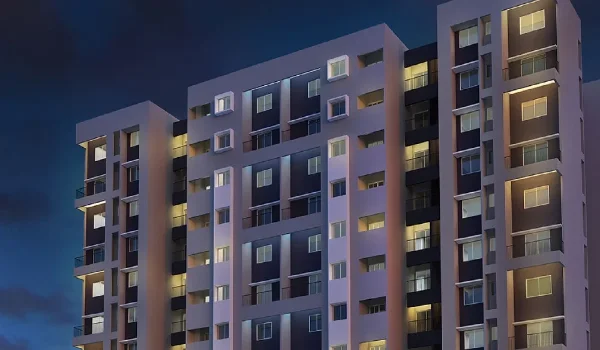
Featured Image of Sinking Fund Corpus Fund What Every Sobha One World Buyer Should Know


Sinking funds and corpus funds are financial pools for housing care. You pay them when you buy a home at Sobha One World. These charges are separate from the basic flat price.

The corpus fund pays for daily care right after handover. The sinking fund saves money for big repairs in the future. Knowing these costs helps you plan your budget well.

That's why you must read your cost sheet carefully. Sobha Limited launched Phase 1 of this 300-acre township on 13 June 2026. This phase covers 48 acres of land.

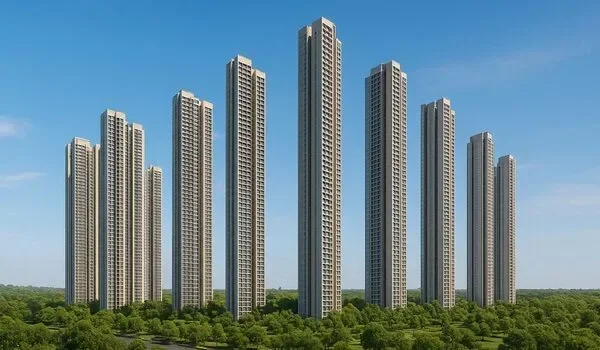
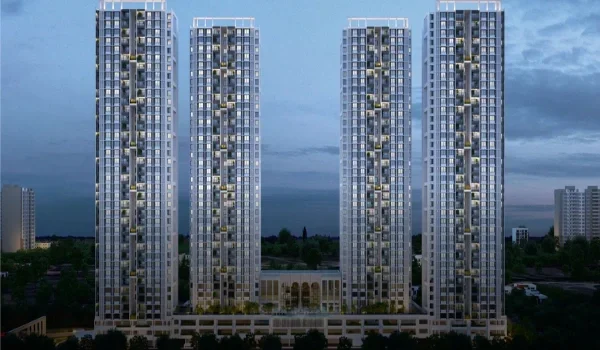
It features 14 high towers with 3,484 flats. The project holds Karnataka RERA numbers from PRM/KA/RERA/1250/304/PR/080526/008634 to 008639. The builder will give possession on 1 December 2032.

The extra fees protect your long-term asset value. You will face no sudden money stress at handover. That is why these deposits are mandatory for every buyer.


What is a Sinking Fund in Sobha One World?


A sinking fund is a backup cash reserve collected from flat owners. This money pays for major structural repairs and asset changes in the future. The money stays safe in a bank account and earns interest over time.

The resident association does not touch this fund for regular daily bills. They use it only when the high towers need heavy work after 10 years. That's why it protects you from sudden bills when heavy machinery fails.

The fund pays for repainting the outer walls of the 46 floors. It covers changing old high-speed lifts across all 14 blocks. It also funds deep structural fixes or large roof waterproofing work.

What is a Corpus Fund in Sobha One World?


A corpus fund is a one-time payment made by the buyer during registration. It helps the apartment association handle starting expenses and maintain common facilities without any shortage of money.

The builder collects this fee once and gives the total sum to the new association. This cash helps start daily maintenance tasks right after you get your keys. It covers basic services before the monthly fee system becomes regular.

The fund supports hiring security guards and setting up smart entry gates. It also keeps the massive 75,000 sq ft resident clubhouse running from day one. You pay it once, but it gives long-term stability to the campus.

Difference Between Sinking Fund and Corpus Fund


A sinking fund is used for big repairs in the future. A corpus fund helps manage the regular and ongoing expenses of the society. Both funds are important, but they are used for different needs.

Feature Sinking Fund Corpus Fund
Main Purpose Big repairs and lift changes Daily operational backup and peace
Payment Type Fixed lump sum or regular fee One-time fee paid at handover
When Used Long-term use after 7 years Immediate use right after keys
Financial Form Emergency asset reserve fund General working capital deposit

Why Are These Funds Vital for Sobha One World Buyers?


Many buyers worry about sudden spikes in monthly upkeep bills. These funds address that exact concern by creating a clear financial safety net. Managing 3,484 flats across a 48-acre phase requires excellent money planning from day one.

Without these cash reserves, common facilities would break down fast, which means your property value would drop. Good funds ensure that your luxury amenities work perfectly even after 15 years. This financial health keeps the township beautiful, so your rental income stays high.

Sobha Limited has an excellent track record in real estate. They delivered top projects like Sobha Dream Acres and Sobha Sentosa with great quality. They use a backward integration model to build everything themselves, which keeps maintenance needs low.

Are Sinking Fund and Corpus Fund Included in the Apartment Price?


No, these maintenance funds are completely separate from the basic flat price. The developer lists them under the extra fees section on your cost sheet. You must pay this amount when you register your flat or take possession.

Check the cost sheet before signing the final sale agreement. It helps you know the total amount you need to pay for your home and avoid any budget problems before possession.

How Much Do Buyers Need to Pay for These Funds?

The fee amount depends on the size of your apartment. The builder calculates both charges on a per-square-foot basis, so a large 3BHK or 4BHK flat pays more than a 1BHK unit.

You can find the exact rates printed on your official booking form. It is smart to double-check these numbers with the sales team during your site visit. This helps you calculate your exact final handover expenses.

Can Buyers Get a Refund of the Corpus Fund?


No, the corpus fund is entirely non-refundable because it stays with the flat permanently. If you sell your flat to a new buyer later, the money stays with the association. The new owner automatically gets the benefits of that cash pool.

The resident association holds this wealth for collective community welfare. You cannot ask for your share back when you leave society. That's why it is a permanent investment to keep the township rich and stable.

Conclusion


Sinking funds and corpus funds help maintain and protect your home at Sobha One World. They have helped keep the township well-managed for many years. Always check these charges in your cost sheet to know the total cost of your home. Good planning makes your home-buying journey easier.

FAQs


1. Is the corpus fund a monthly charge at Sobha One World?

No, it is paid only once before possession. Monthly maintenance is a separate charge.

2. Who manages the sinking fund after the project is ready?

The registered Resident Welfare Association manages the sinking fund after taking over from Sobha Limited. They keep this money in a safe bank fixed deposit.

3. Can the association use the sinking fund for daily staff salaries?

No, the association cannot use the sinking fund for daily cleaning or staff salaries.

4. How is the individual fund contribution calculated for a flat?

The charge depends on the total square feet of your flat. A larger 4BHK home has a bigger share of common space, so it pays more than a 1BHK unit.

5. What happens if a buyer refuses to pay these funds?

The builder can legally stop your flat registration and hold your keys if you do not pay.

Sobha One World Blog


Enquiry
Enquire Now