Sobha Limited Backward Integration: Why It Matters to Buyers
Featured Image of Sobha Limited Backward Integration: Why It Matters to Buyers


Sobha Limited manages nearly 70–80% of its construction work by itself. This helps the company build better homes faster. Most developers buy materials from outside vendors. But Sobha makes many materials on its own. This reduces delays and improves quality. Every project gets the same high standard of work.

What is Backward Integration in Real Estate?


Backward integration means a developer does not depend on outside companies. The developer controls its own materials, labour, and construction steps. Sobha Limited follows this model very strongly.

Sobha owns factories that make key construction items such as:

  • Aluminium doors and windows
  • Wood products and furniture
  • Metal glazing systems
  • Concrete blocks
  • Electrical components
  • Interior fittings

Sobha has over 500 acres of manufacturing space in Bangalore. Thousands of workers and engineers produce materials for its projects every day.

How Does Sobha Limited Use Backward Integration?


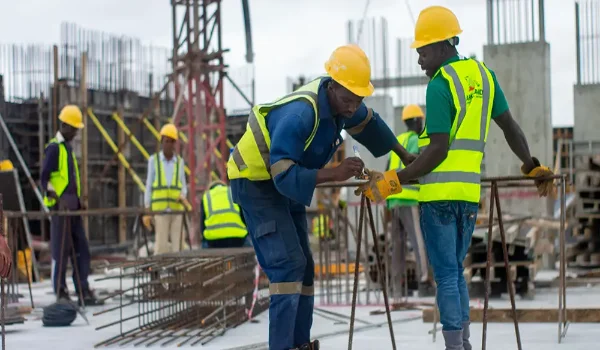
Sobha started this system in 1995. It was one of the first Indian developers to do this. Today, over 3,000 craftsmen and technicians work in its manufacturing units.

Sobha controls all of these steps on its own:

  • Buying raw materials
  • Creating designs
  • Making products
  • Checking quality
  • Installing materials
  • Finishing the work

This helps Sobha keep the same high standards across all its projects.

Why Does Backward Integration Matter to Buyers?


Better Construction Quality

Sobha makes its own products. So it can check quality at every step. Each batch of materials is inspected before use.

Buyers get homes with:

  • Smooth flooring finishes
  • Strong doors and windows
  • Good quality fittings
  • Neat and clean interior work

This means fewer defects and lower repair costs later.

Timely Project Completion

Delays happen when suppliers do not deliver on time and Sobha avoids this by making most materials itself. It plans deliveries based on the construction stage. So work never has to stop and wait.

Buyers benefit from:

  • Fewer delays in construction
  • Homes handed over on time
  • Less stress and uncertainty

Cost Stability

Material prices go up and down often. Developers who buy from outside may face sudden cost increases. Sobha produces materials in-house. This helps it control costs better.

Buyers get more stable pricing. There are fewer surprise changes in cost.

How Does It Improve Customer Satisfaction?


Good manufacturing leads to better homes. These homes look great and work well for many years.

Here is how buyers benefit:

Benefit Advantage for Buyers
Better Quality Control Fewer defects and repairs
Faster Construction Timely handovers
Consistent Finishes Same look in all units
Reduced Dependency Less risk from supplier issues
Long-Term Value Better resale potential

Does Backward Integration Increase Property Value?


Yes, it does. Homes built with strong quality control hold their value well. Buyers look for builders who deliver on time and build with care.

Buyers prefer developers known for:

  • On-time delivery
  • Premium finishes
  • Strong and durable construction
  • Good after-sales support

Such homes do well in resale and rental markets too.

How is Sobha Different from Other Developers?


Most developers give construction work to outside contractors. Sobha manages many stages by itself. This gives it full control over its projects.

Sobha controls:

  • Design accuracy
  • Material quality
  • Project timelines
  • Installation standards

This is why Sobha is known for good craftsmanship and reliable construction.

Conclusion


Sobha Limited builds most of its materials in-house. It also manages key construction steps on its own. This leads to better quality, on-time delivery, and happy buyers. If you want a home that is built well and lasts long, Sobha's construction model gives you that confidence.

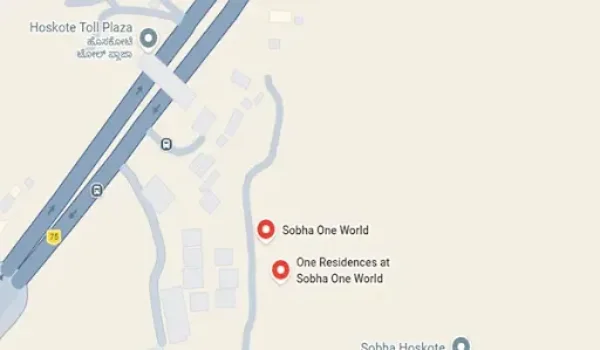
Sobha Limited Prelaunch Project is Sobha One World.

FAQs


1. What is backward integration in real estate?

It means a developer controls its own materials, labour, and construction steps. It does not rely fully on outside suppliers.

2. How much of the construction process does Sobha manage internally?

Sobha manages nearly 70–80% of its construction work through its own factories and teams.

3. Does backward integration help complete projects faster?

Yes. Making materials in-house removes supply delays. This keeps construction on schedule.

4. Why do buyers prefer developers with backward integration?

Buyers get better quality, on-time possession, strong materials, and good resale value.

Enquiry
Enquire Now